BBC Radio Gloucestershire — Platy Becomes a Mascot
May 28, 2025
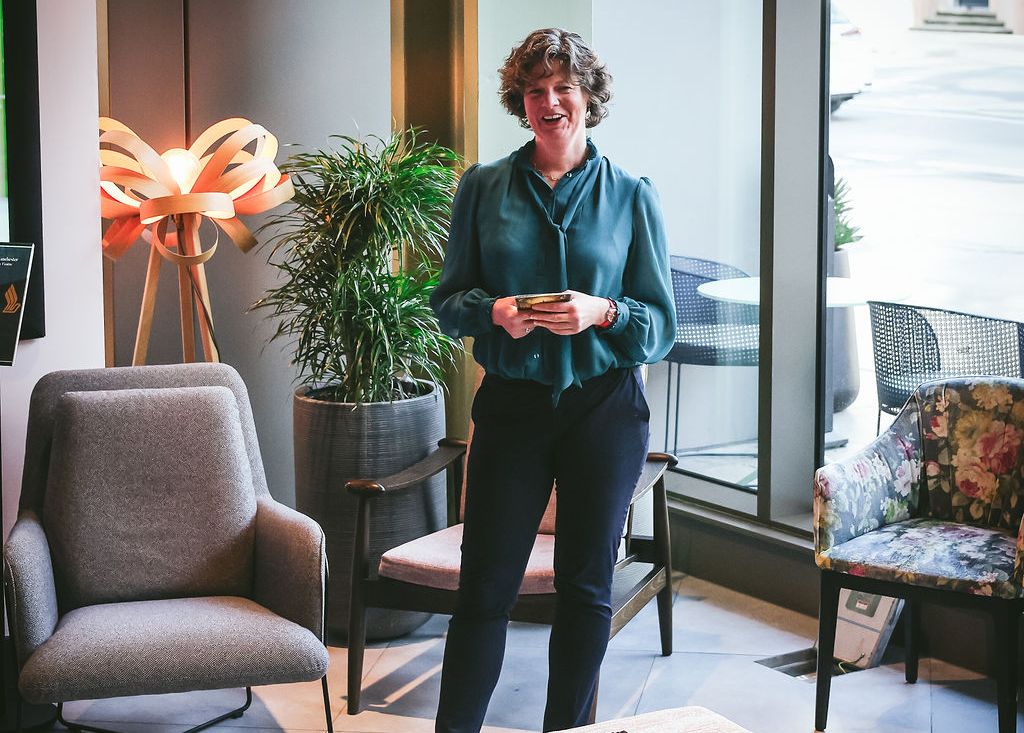
This week Kate joined Nicky Price live on BBC Radio Gloucestershire to share the story behind The Adventures of Gabriel, a storytelling tradition with her son that has grown into a movement helping children across the UK fall in love with writing, imagination, and their own voices.
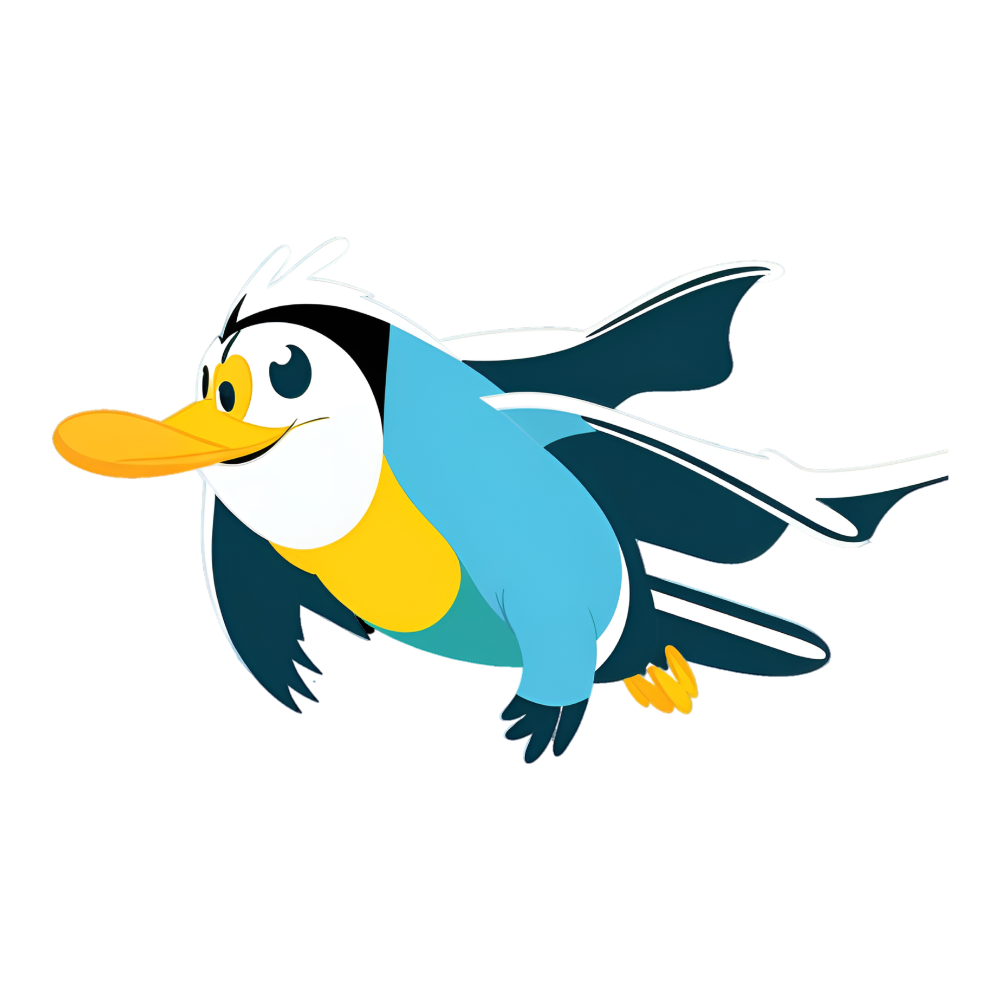
It all started after they finished reading Treasure Island together. Kate turned to Gabriel and asked: "Shall we make up a story where you're the hero?" His answer was instant. He began narrating wild adventures: defeating sea monsters, searching for phoenixes, gathering clues from a wise old owl. His sidekick? A platypus named Platy, not the most original name, they laughed on air, but Platy was his favourite childhood cuddly toy.
Kate scribbled everything down as he spoke. Each week she typed it up and read it back to him for edits, which he took very seriously. After about eight weeks her desktop was cluttered with story files, so she compiled them into a Word document. Gabriel looked at it and said: "Mum, this is a book." He was right.
At the time Kate didn't think of it as anything special. But when she sent the PDF to a retired headteacher in Bradford and a child psychologist in the United States, they both said the same thing: get this out now. They saw what she hadn't fully recognised yet. This was storytelling from a child's perspective, created with joy, and powerful enough to inspire other children to do the same.
When she started sharing the story publicly, she kept being asked: "What's the process?" At first she didn't understand the question. Then it dawned on her. After twenty years as a physiotherapist, she had spent her career listening to people's stories about pain, recovery, and hope. This was no different. She was simply listening to her son's imagination.
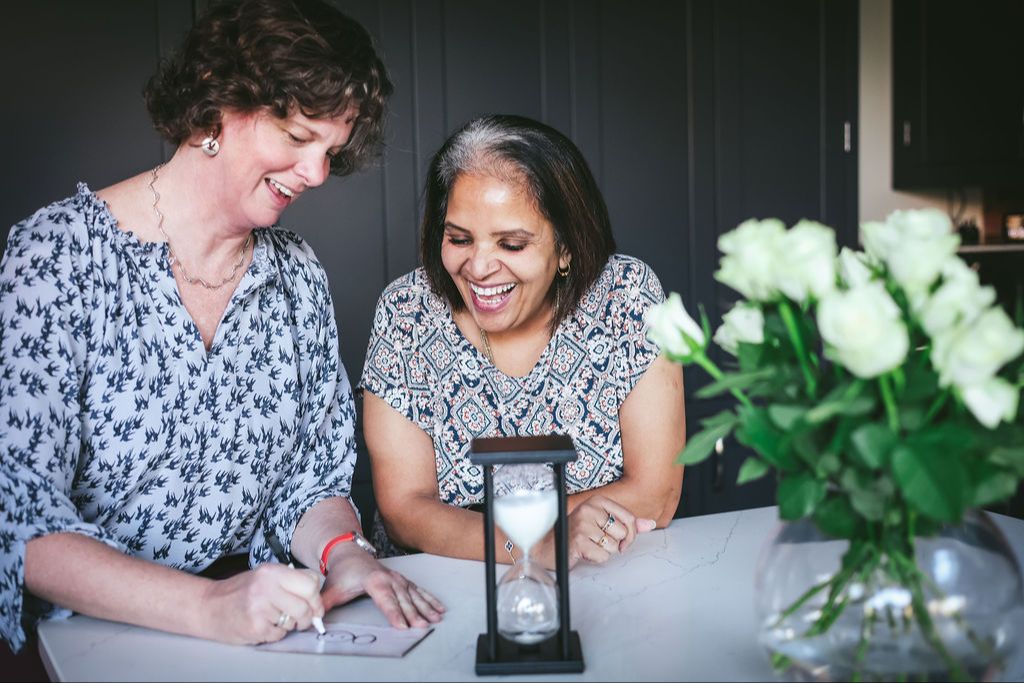
In StoryQuest workshops, children work in pairs. One child tells their story, the other acts as scribe, exactly as Kate did with Gabriel. They swap roles. Then in groups they share their stories aloud, refining them with feedback from peers. No blank pages. No pressure. Just imagination and connection. Children ask each other things like: "How big was the dragon?" "What colour were the cat's eyes?" "How did the zombie apocalypse begin?" They want to make each other's stories better. It is genuinely beautiful to watch.
One of the biggest shifts Kate has seen is in purpose. The children are not writing for a teacher or a test. They are writing stories for themselves and their friends, and they want to get them right because they care. Teachers show them early drafts, including messy ones by Tolkien and Beckett, to demonstrate that great stories always start somewhere. By the end of the term, their stories are compiled into The Adventures of [School Name]. In Bradford they are working towards a full anthology, The Adventures of Bradford.
The first Gloucestershire school is already booked. Some of the children's stories have made it onto community radio, where they perform their tales aloud in front of a real audience. "They love hearing their own voice," Kate said. "And more importantly, they love knowing someone else is listening."
Kate left a cuddly platypus behind in the BBC studio. He is apparently now the mascot of the show.