#1 Amazon International Bestseller (US)

Get In Touch

The Money Blog

Lorem ipsum dolor sit amet, metus at rhoncus dapibus, habitasse vitae cubilia odio sed. Mauris pellentesque eget lorem malesuada wisi nec, nullam mus. Mauris vel mauris. Orci fusce ipsum faucibus scelerisque.

"Do You Have a Nice Bookmark?" The Question That Changed Everything

family stories storyquest™ spotlight the adventures of gabriel Dec 23, 2025

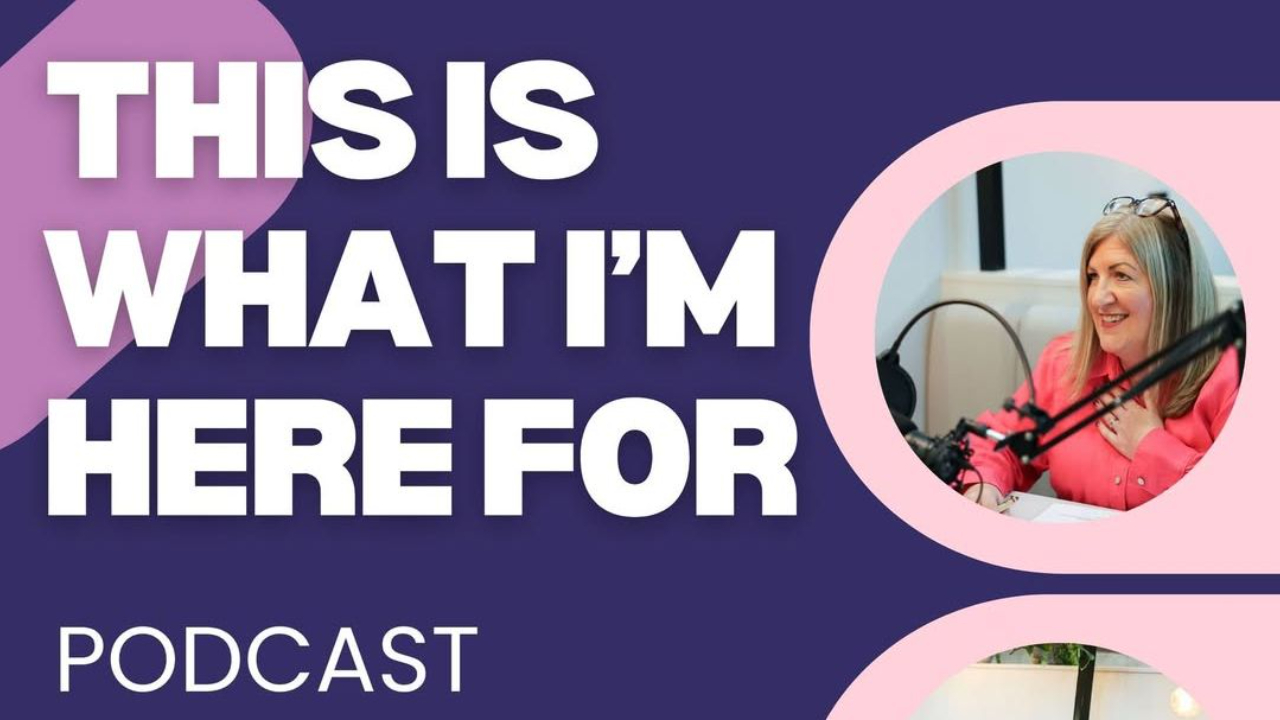
This blog is adapted from my conversation with Lisa on the "This Is What I'm Here For" podcast, where I shared the full story, including the moment I couldn't hold back tears.

The night before armed police took Gabriel, I read to him at bedtime. Just a normal Thursday evening. A normal book. A normal routine we'd shared since he was tiny.

Then he said something I didn't understand at the time.

"Mum, do you have a nice bookmark?"

"Yes, darling. You've got that one you made me when you were three."

I still carry that bookmark in my pocket every single day. It's tatty now, worn from two years of being held during the hardest moments.

Never did I realise when Gabriel asked that question what stories and bookmarks and books were going to become for us.

Our purpose. Our survival. Our way of giving children across their voices back.

The Hug That Came After Two Years

Just this week, something extraordinary happened. Gabriel and I bumped into each other by chance in Cheltenham. A mutual friend had posted about a beautiful stationary store. I decided to go buy a gift.

He was there. On the same street.

I hugged him and hugged him and hugged him.

In some ways it felt like two years hadn't happened. There was my little boy. We were just having a really big hug.

In other ways, the relief was enormous.

I'd sensed over Zoom that he'd never lost his confidence and trust in me. We'd talked about it: "We just have to trust one another, darling." But to feel that trust, to feel that connection again, to feel his certainty in me as much as I could give him certainty through my hug, the relief was something else.

The best thing about reuniting after so long? It was a coincidence. No gear up, no wind up. I went to a shop and he was there.

Absolutely meant to be.

How This All Began

The week before Gabriel's 10th birthday, two years ago now, he was forcibly removed from my care by police, one of whom was armed. They had all their gear on. Heavy bang on the door.

They'd come for my son.

No conversation with me. They just took him.

Nobody told us where they'd taken him. About 72 hours later we located where he was using common sense.

About a month later, I was given one hour weekly FaceTime contact. I was mocked in court: how on earth would I talk to a 10-year-old for an hour?

I remember thinking: I know exactly how to speak to my son for an hour.

Based on conjecture, it had been assumed I was an unfit mother. The same tag given to so many: "emotionally unfit."

Last Sunday I had the blessing of speaking to somebody who has now gathered testimony of over 2,000 mothers this or similar has occurred to. I'm not alone.

"Mum, Use All Your Skills"

The first few months are a blur. But I recognised quite soon the ordeal I was facing, and in that moment of recognition I thought: right, you've got to step up. Your child is depending on you.

First thing I knew: exercise every single morning. I used to be a physiotherapist, an athlete. I'd lost the capacity to push myself physically, to run, to care how fast I swam. But I still knew I needed to move.

Every morning I'd go for a walk, 20 or 40 minutes around a loop. Discharge the anger, pain, negative emotions. Come back, have breakfast, shower, get on with the day.

I'd set myself one thing to do a day. Just one. I had to know I could win the day.

My focus in the beginning: Gabriel has to know I love him. I wrote to him, made small cards, sent something in the post every day. Then we agreed once a week. I got my mum's calendar, Chinese New Year, Valentine's, St. David's Day, and sent weekly parcels based on calendar themes.

This went on until Gabriel said: "We can do this every week now, Mum."

That's when I knew: you know I love you. You've got that certainty.

Then I needed him to know: don't give up. I didn't know what we were going to do, but I knew from 20 years of physiotherapy, if a person doesn't give up on themselves, you get through it.

Just don't give up, darling.

Then Gabriel said something I'll never forget: "Mum, use all your skills."

Afterwards, reflecting: what does that mean? I used to be a rower, an athlete. I knew if I took myself and all my skills back into the boat, I could focus. Point, go, keep going. However much it hurt, keep going. You always cross the finish line.

When I was rowing, we'd got through GB trials to selection for Commonwealth Games. That coincided with my finals at university and I panicked and quit.

I knew the regret of quitting.

I knew my weakness was overwhelm.

So I made a decision: there's no way I'm giving up. When Gabriel said "use all your skills," I had to get back in the boat. That enabled me to focus and keep going however much it hurt.

From Shell-Shocked to Storytelling

On our first FaceTime call, we were both shell-shocked. Relieved to see each other, glad to connect and speak and look each other in the eye.

Gabriel had always loved stories. Most children do. Since he was a tiny baby, he wanted to be read to and read to and read to.

I'd picked up a book, Michael Morpurgo's The Puffin Keeper. Very illustrated. Gabriel loved pictures in books. I just read it to him like Jackanory (that TV programme where someone would read stories and you'd look at pictures).

We weren't spending the hour talking about the situation we were in. We touched base, then we read the book together.

We finished The Puffin Kepper. Someone had posted Gabriel a book. Then Gabriel wanted to read back to me. We went like this for months, reading, playing hangman and noughts and crosses, doodling games.

Then we read an illustrated copy of Treasure Island. The main character is a little boy named Jim, my father's name, Gabriel's granddad.

At the end, I just said: "Should we make up a story where you are the hero?"

Of course: "Yes!"

He instantly said he wanted to defeat a sea monster and started describing what he wanted. I just took notes. On reflection, I didn't think too much about it at the time, but he was finding his voice through expressing his own story.

The Process I Didn't Know I'd Been Training For

I thought: instead of sending weekly parcels, we'll do like Charles Dickens. You tell me your story, I'll type it up during the week and send it in instalments.

Every Friday, I'd read back what I'd written. He'd add his edits. Granddad was messing around with AI art, producing images from the text. Gabriel would choose which pictures he wanted.

This went on. Completely private project. About eight or nine weeks in, we had six short stories.

I put them into one Word document simply to see my desktop again, it was all over my desktop. I turned it round and showed him.

"Mum, it's a book."

"Really, Gabriel?"

"Really, Mum. It's a book."

Someone I knew did self-publishing. We sent it to Kevin. He made it into a book and really thought we were onto something. I sent it to a couple of people who knew about children's literature. They both said: "Get this out now. There's nothing where children are writing for children."

So we made it a book. The Adventures of Gabriel, six short stories.

When I Realised What We'd Actually Created

About the fifth person asked me: "How did you extract your son's story?"

I thought: I know what I'm doing. I'm doing exactly what I did for 20 years as a physio.

He tells me a story. He's not got to put pen to paper. There's no blank sheet of paper because he's on FaceTime. I'm acting as his scribe.

Then I'm doing exactly what I would as a physio, the verbal handshake. This is what I've understood, I've expanded what you've told me, now I'm reading it back for you to add your edits.

You tell me about your back pain, I repeat back what I've understood, ask for clarity, you tell me what I've got right and what I've missed.

That's what I'm doing.

For 20 years, I'd extracted stories from patients. Creating environments where nervous people felt safe to share. Asking open questions. Teasing out detail when they got stuck.

Those weren't just physio skills. They were storytelling skills.

The First Workshop: 60 Bradford Children

A dear family friend from Bradford, a retired head teacher who'd been at school with my mum, invited us to do a workshop. Her big thing had been creative writing with children. She was passionate.

My question: will what Gabriel and I have done work in a class of other 10 and 11-year-olds?

It did.

They went in pairs, one scribed, one was storyteller, then they swapped. Only once they'd got their ideas out did they write it up. Once they'd done that, they were champing at the bit: "Miss, miss, can I now write my story?"

At no point is anybody facing a blank sheet of paper.

We got invited to do more and more workshops. 465 children. I've asked every single one: "Would you like to be the hero of your own story?"

Every single one says yes.

There's nothing more relevant to a child than their own story.

What the Children Say

Children evaluate every workshop. They answer the same question: "What was it like to be the author of your own story?"

They describe joyful engagement.

"I didn't know I had so many stories inside me until I was allowed to let them out."

"I like writing my own story with no rules. Only my rules, not anybody else's."

"It was so much more fun than any English we've done so far. I didn't get told that it was wrong or bad."

One teacher said: "If you found a way to get them to write, now I can teach."

Where teachers are feeling pressured to compete with TikTok and YouTube influencers, no, no, no. The entertainment is all within the child.

You move from director to facilitator. All you've got to do is facilitate the child to express themselves.

The Universal Truth That Works Everywhere

We don't ask teachers to tell us about children with additional needs. We don't want to know. It removes any educational bias.

When Tommy puts his hand up wanting to stand at the front and tell his story to the rest of the group, we don't know that's unusual. Teachers are looking at us saying "That never happens."

We don't know that. So when Tommy puts his hand up: "Right, come on, your turn Tommy."

It's all about the fact that the child has permission to express themselves. They can't be wrong today because it's their story and anything's possible.

I don't care about grammar and spelling. That'll get tidied up later.

One thing that struck me: I saw Jane Austen's drafts. She couldn't spell for toffee. She was entirely reliant on the editor who worked for the publisher to correct her spelling.

Why wasn't I told that at school?

Going Global From One Hour Weekly

Yorkshire Post picked us up. Then BBC Gloucestershire, BBC West, MSN, Yahoo. Then two Canadian education magazines put in feature articles.

In the next couple of months: feature article in Pakistan's education media and two articles in India.

What's fascinating: there's so much tension between India and Pakistan right now. They celebrate each other's movies and entertainment industry. Here they are celebrating children's stories within the same quarter on either side of this militarised border.

The power of stories and children's stories for connecting across borders.

One boy in a Gloucester school wanted to solve the Middle East conflict in his story. His friend: "Seriously, how on Earth are you going to do that?"

"Well, first we're going to sit down and have a cup of tea."

At the end there's a big party and a pizza party. Then they debated as a class whether you should have pineapple on pizza.

These are the important decisions that need to be considered. This is the detail needed in your story, the reader needs to know, do you have pineapple or not?

What Gabriel Doesn't Yet Know

Lisa asked me the question every guest gets: "What are you here for?"

I pulled out the bookmark. The one Gabriel made me when he was three. The one I've carried in my pocket every single day since he was taken.

Stories and bookmarks and books were going to be our purpose in life. Empowering other children to create their own stories as well.

That's what we are here to do: give children a voice through stories.

Then she asked: "What do you most want Gabriel to know when he listens to this one day?"

Deep breath.

That he's dearly loved. What he perhaps doesn't realise: he is stronger than most grown men. He has more integrity than many. His voice will hold a power we don't yet know what that looks like.

I have to trust in it.

Listen to the Full Conversation

This blog only touches the surface. To hear the complete storys including the moments I couldn't hold back tears, the details about submitting evidence to Parliament, what constraint really teaches about innovation, and Lisa's beautiful questions that drew out truths I rarely share, listen to the full podcast episode.

🎧 Listen Now: https://open.spotify.com/episode/6YOnC3OoMJLJGIEbncPq83?si=8zPiWbEeRoi5I_zW_qUHDA&nd=1&dlsi=1be87fd908ab4967

In the full episode, we discuss:

  • The exact moment this week when Gabriel and I hugged after two years
  • How clinical listening skills from 20 years in physiotherapy became storytelling methodology
  • Why children who "won't write" suddenly won't stop
  • Living under family court threats while building international recognition
  • What I submitted to Parliament's Public Accounts Committee
  • The bookmark I've carried every single day for two years
  • What I want Gabriel to know when he listens one day

What Happens Next

 For separated parents: You are not alone. Over 2,000 mothers have experienced similar. Use whatever hour, whatever contact you have. Find your gap. Get in the boat. Keep going.

For educators: The entertainment is within the child. Learn how StoryQuest™ achieves 100% engagement at www.my-storyquest.com

Share this story: If you know a separated parent, a teacher struggling with reluctant writers, or anyone who needs to hear that constraint can drive innovation, share Lisa's podcast episode.

"Never did I realise when Gabriel asked 'Do you have a nice bookmark?' what stories and bookmarks and books were going to become. Our purpose. Our survival. Our way of giving children their voices back."

Listen to the full episode to hear the complete story: https://open.spotify.com/episode/6YOnC3OoMJLJGIEbncPq83?si=8zPiWbEeRoi5I_zW_qUHDA&nd=1&dlsi=1be87fd908ab4967
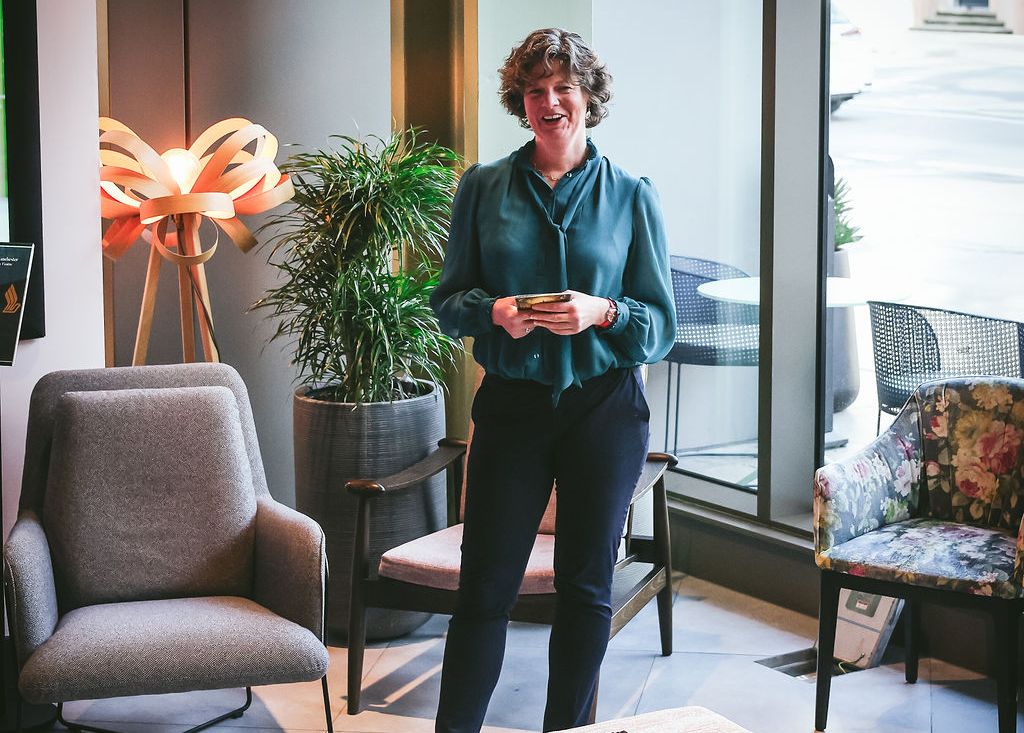
Because sometimes love finds its way through a story, through a small act of faith, and sometimes through an unexpected hug in a stationary store.

Join "Curiosity as a Cure" - Kate's Weekly Strategy Letter

The storytelling methodology that turned 1 hour a week into 100% engagement - delivered to your inbox.

What You'll Get:

Proven StoryQuest™ techniques you can implement immediately
Real results from schools and organisations using the methodology
First access to new programs, speaking events, and breakthrough strategies

Join 2,000+ leaders who've discovered how constraints create competitive advantages. No spam. Real insights. Unsubscribe anytime.