YOU ALREADY KNOW WHICH CHILDREN HAVE STOPPED BELIEVING
they have anything worth saying.
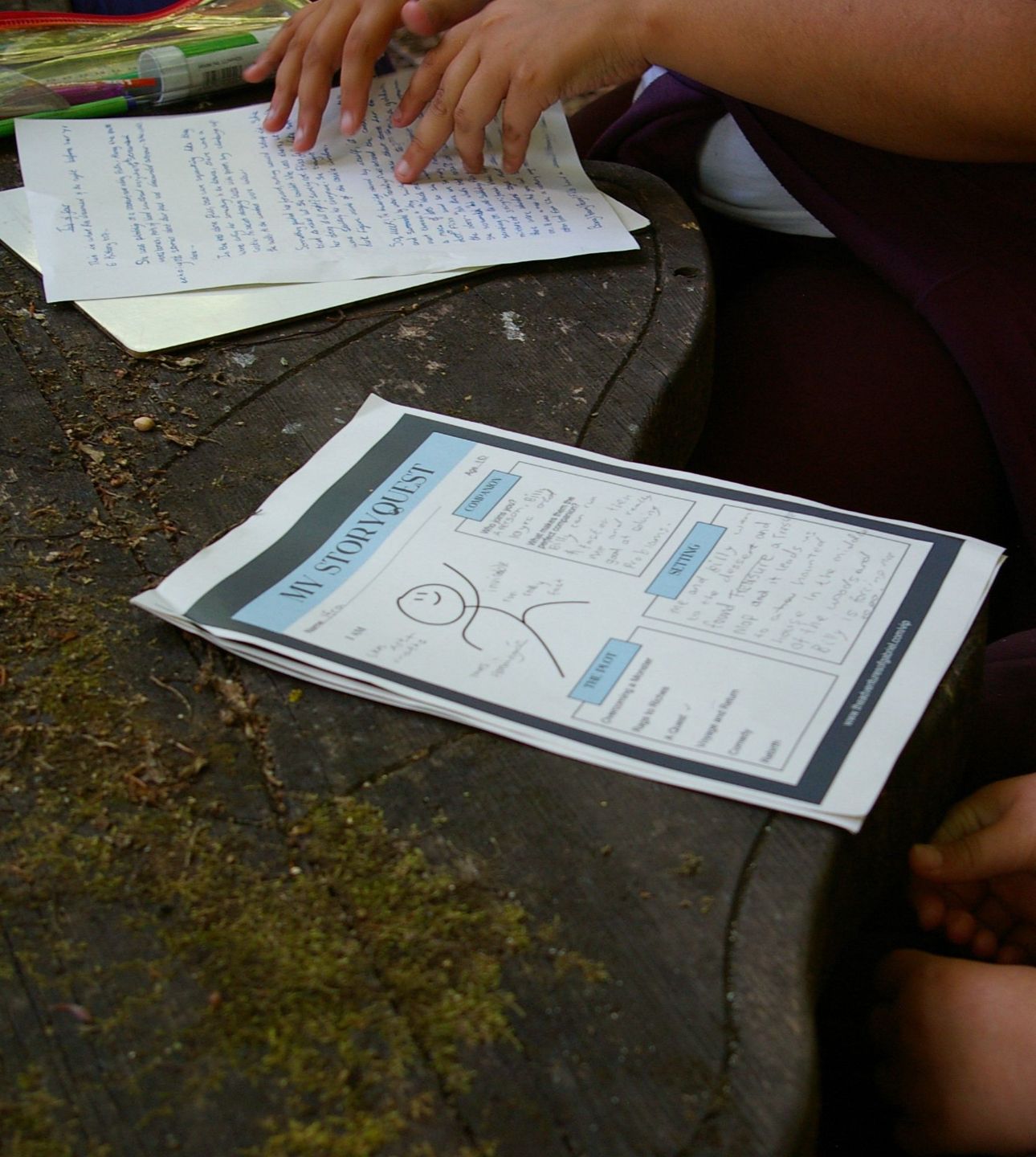
You have tried everything available to you.
You have tried everything available to you. More scaffolding. Better prompts. One-to-one support. Specialist intervention. Some of it helps. None of it reaches whatever closed.
StoryQuest reaches it.
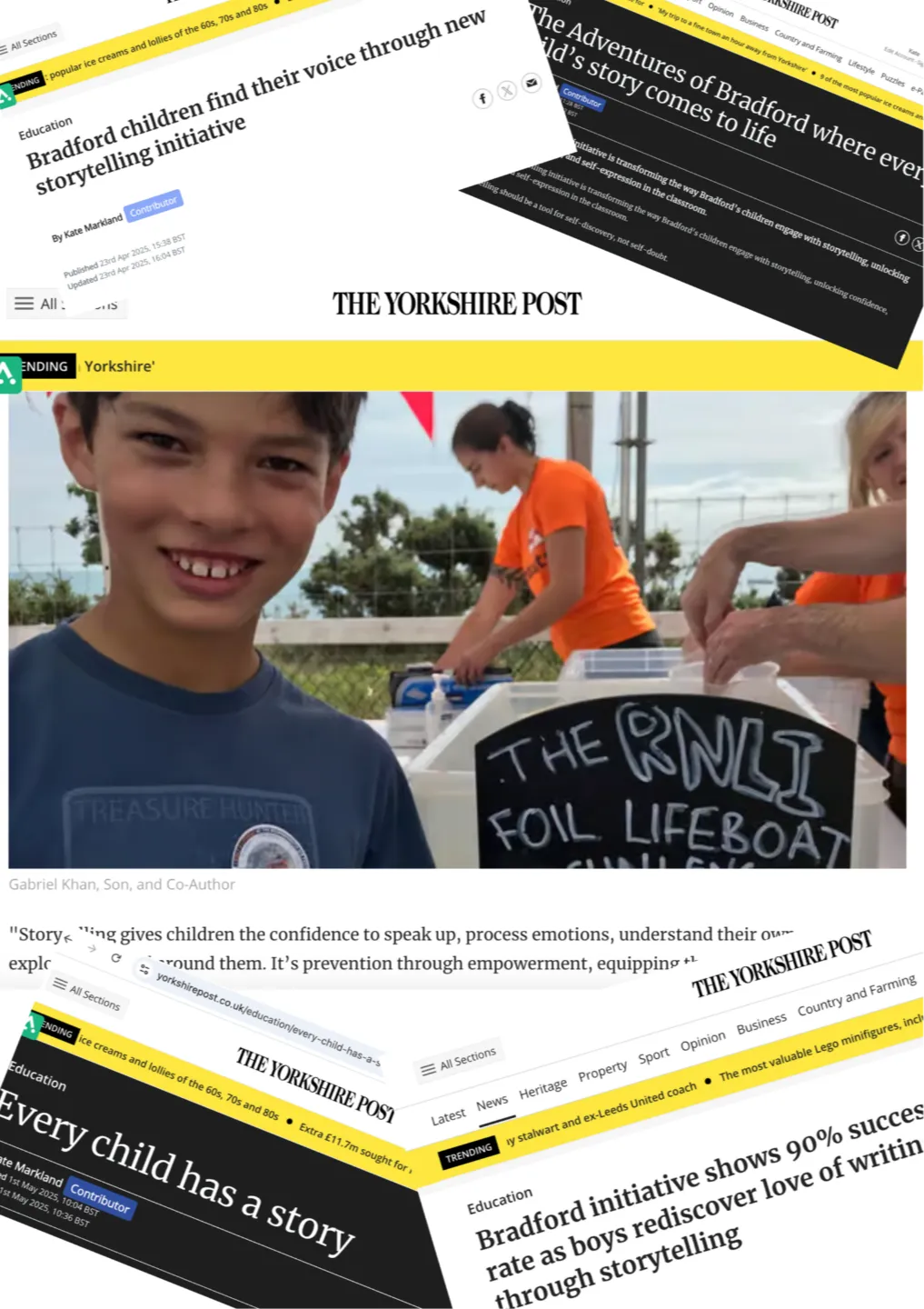
Request a Partnership ConsultationAs seen in...









THE WORLD YOUR STUDENTS ARE ENTERING
In an AI world, success belongs to children who can think for themselves. Who make decisions without waiting for adult approval. Who navigate complexity without templates. Who trust their own thinking when there is no prompt to follow.
Traditional education produces children who complete assignments. StoryQuest develops children who lead themselves.
The difference is not a teaching method. It is a clinical principle: you cannot develop self-leadership by directing children. You create conditions where they lead themselves.
WHERE THIS
CAME FROM
Every Friday night for 24+ months
Kate Markland sat on a FaceTime call with her young son Gabriel. One hour a week. Court order.
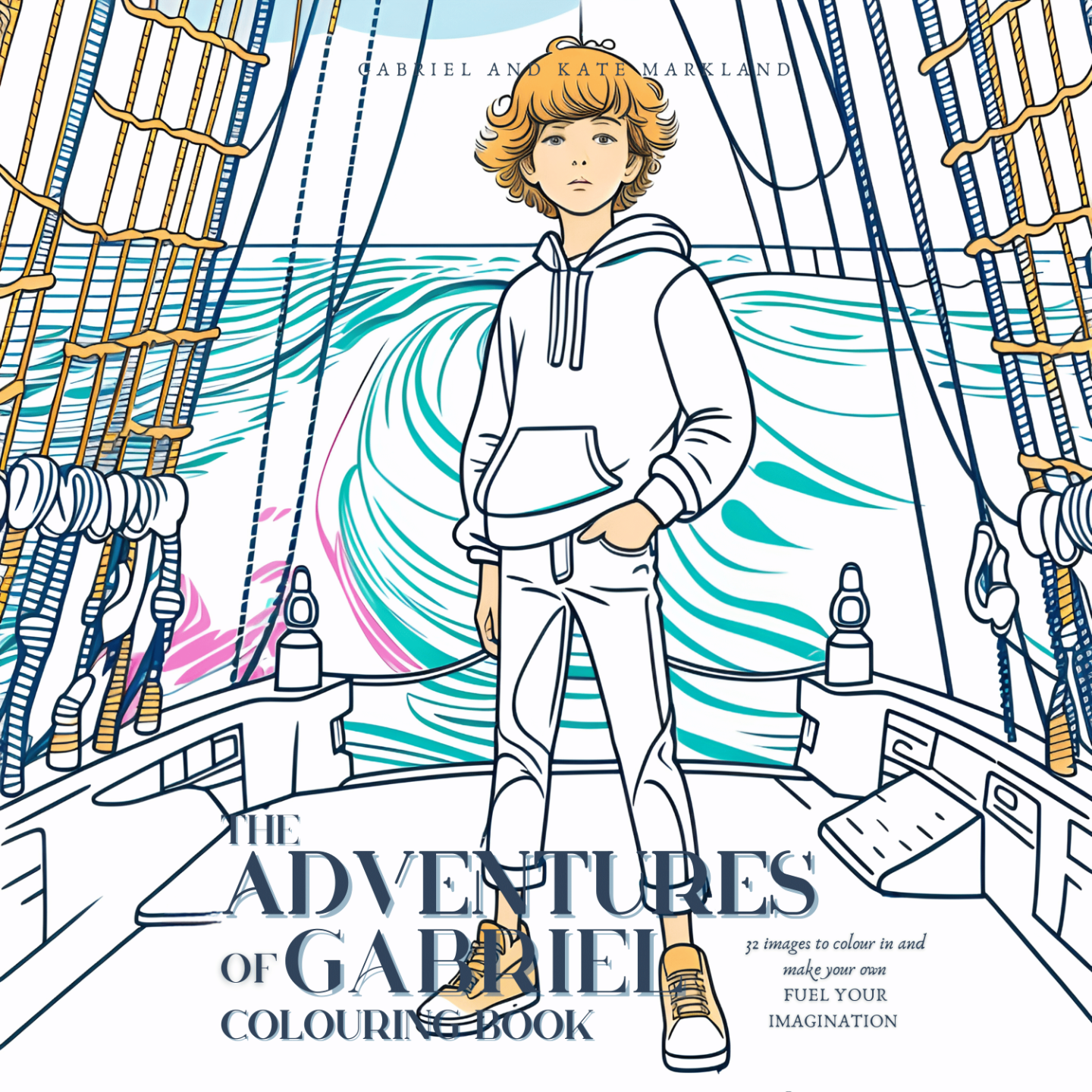
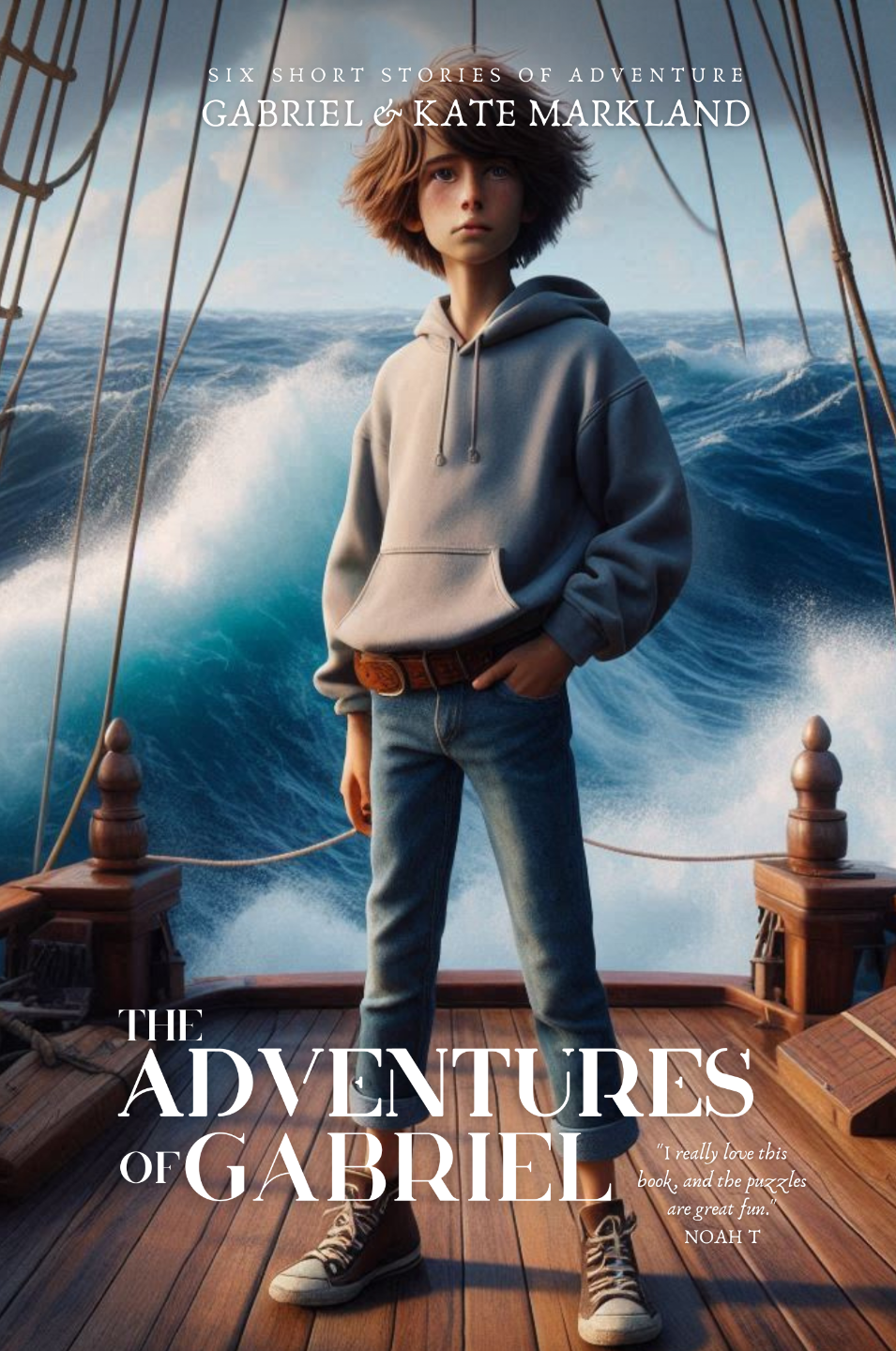
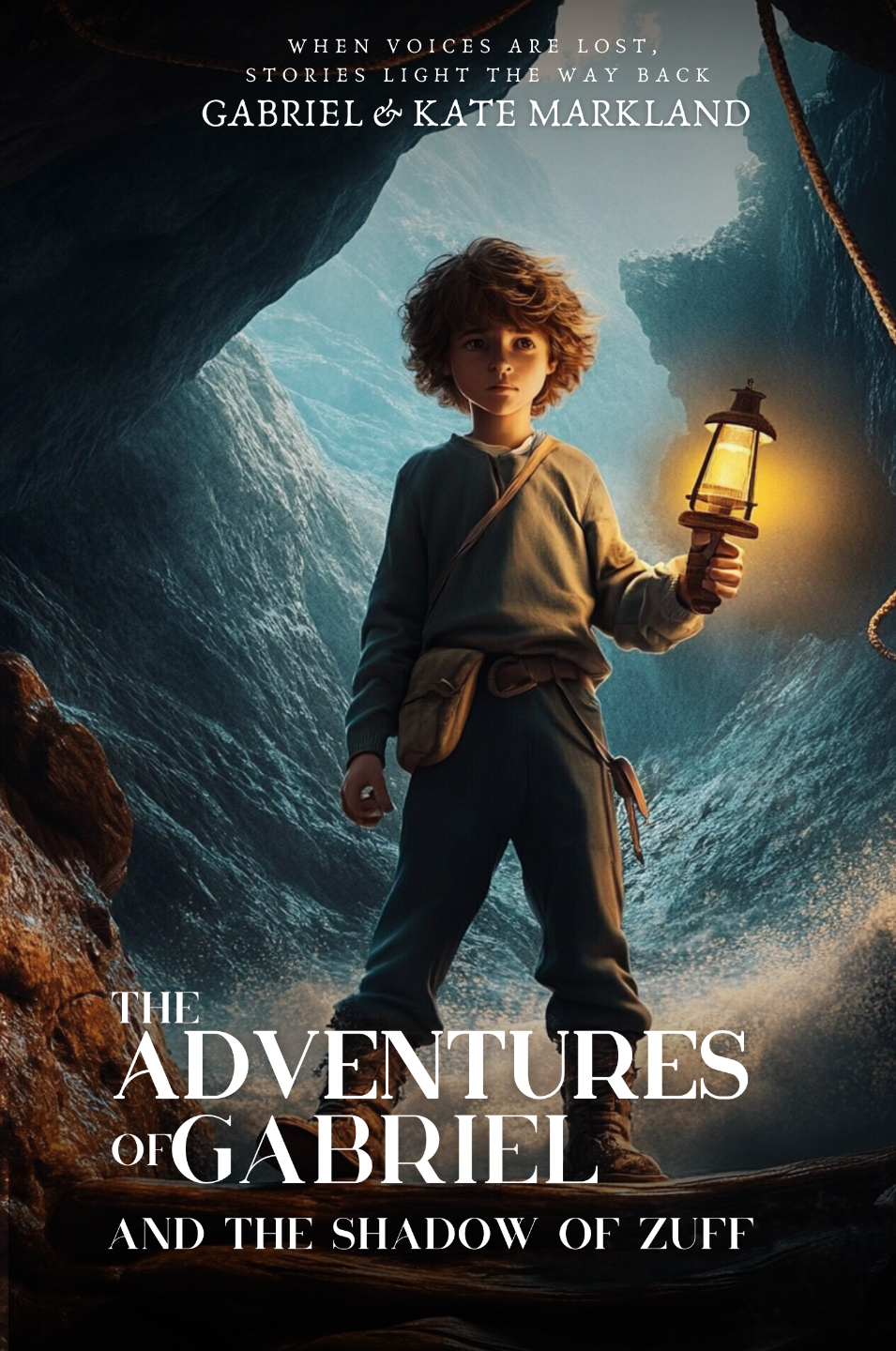
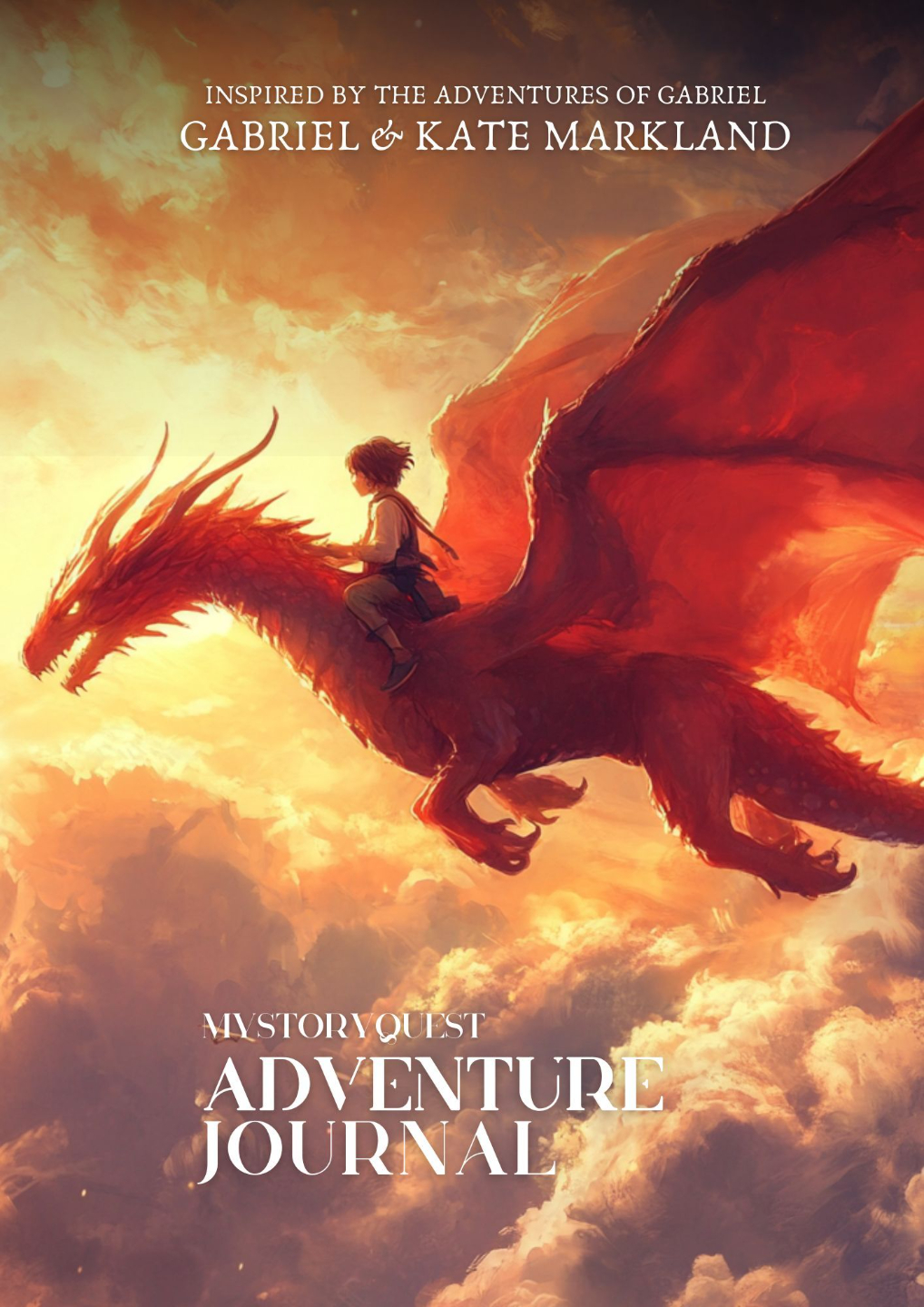
On those calls Gabriel created his sidekick Platy the Platypus, Coral Cove, and Tentaculus. Those stories became books that became international Amazon bestseller's.
Then Kate was asked the question could this work for every child?
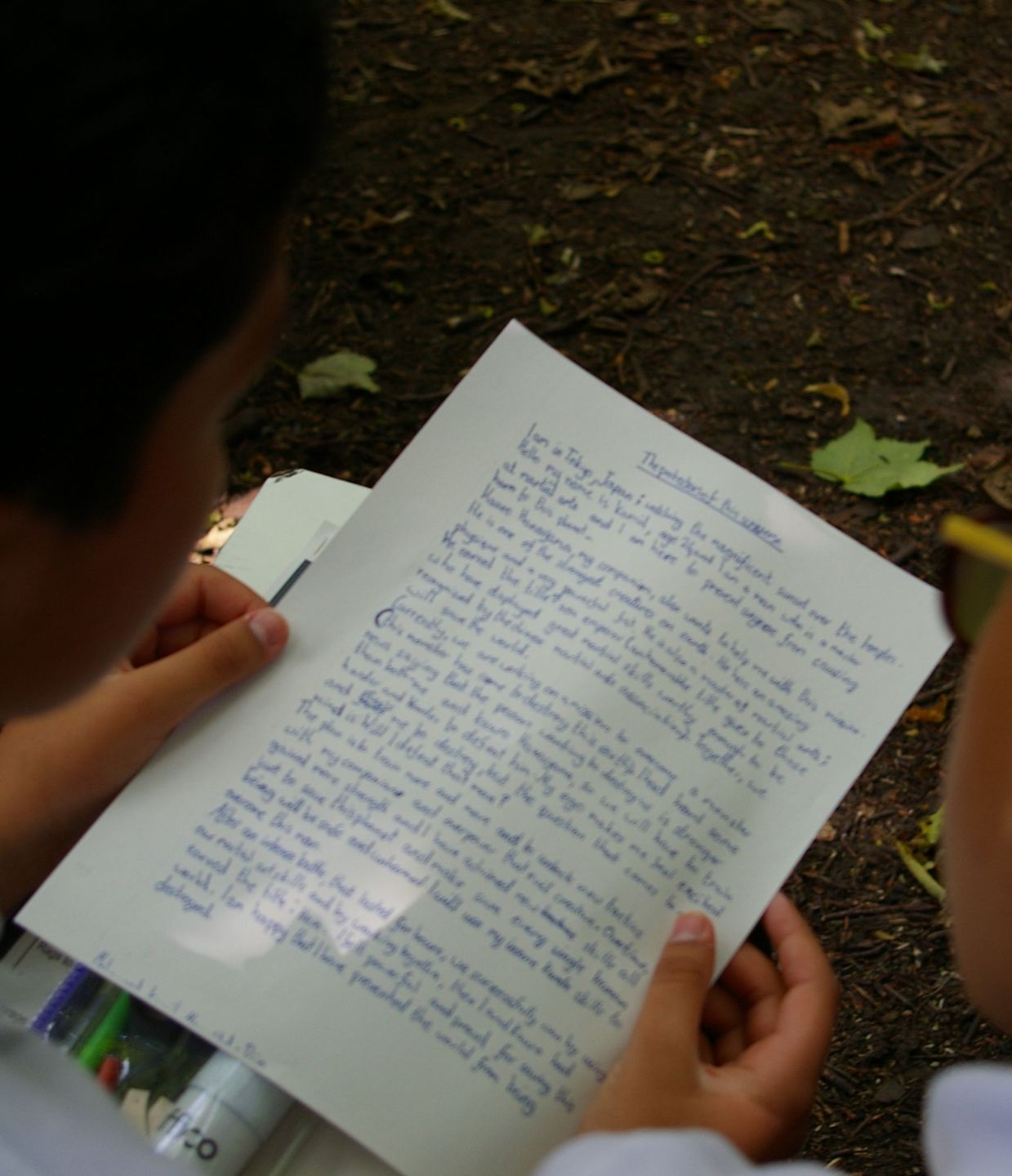
She took the same approach into schools. No topics. No templates. No corrections. Just: tell me your hero story.
100% engagement. Every school. Every time. Zero behavioural incidents.
"Even the kids who don't like writing didn't want to stop." - Thomas Hirst, Head of English, Dixon's Manningham Primary. BBC News.
WHAT THIS IS REALLY ABOUT
A mother seal does not petition the orca. She teaches her pup to swim so well the orca cannot catch it. StoryQuest does the same thing for children's voices. Not after the voice has been silenced. Before.
Authorship is the vehicle. Self-leadership is the outcome.
When children become authors of their own stories, they make independent decisions without templates, navigate complexity without step-by-step instructions, trust their own vision because the adult scribes their exact words without correction, and persist through challenge because the outcome matters personally.
The published story is not the product. It is the evidence that self-leadership has already occurred.
THE CLINICAL FOUNDATION
Kate spent twenty years as a physiotherapist learning one principle above all others: you cannot heal someone by controlling them. You facilitate their own capacity.
Permission for full expression. Verification that the patient's experience matters. Rapport before intervention.
The same principle applies in education. You cannot develop self-leadership by directing children. You create the conditions where they lead themselves.
This healthcare to education bridge is what schools cannot replicate alone.

Seeing our classrooms come alive with oracy and imagination was amazing. The children were bouncing ideas off each other, sharing their creativity, and truly engaging with writing in a way we hadn’t seen before."
____Year 6 Teacher, Bradford
I was proud because I have never written a story with as much detail as this one"
____Yr 6, Bradford
As Year 6 teachers, we are used to structured learning, especially in the run-up to SATs. Letting go and allowing students the freedom to write was daunting at first, but the results were incredible. They took ownership, structured their ideas, and embraced their creativity."
____English Lead, Bradford Academy
It felt really exciting because I've never done something like this before. I was also happy that it was a story we made by ourself."
____Yr 6, Bradford
Hearing students use ambitious vocabulary without relying on a model or word wall made us so proud. Their ideas flowed naturally, and they truly started thinking like writers."
____Year 6 Teacher, Manningham
Thank you for giving me an opportunity to do this. You have really inspired me!"
____Yr 6, Bradford
Peer assessment played a huge role.Students questioned each other’s choices, refined their ideas, and thought deeply about their audience. A simple old man in a story became a demon disguised as a professor—their imagination was unstoppable!"
____Teacher, Bradford
It was very good and made me wake up."
____Yr 6, Bradford
Writing has never been easy for some of our students, particularly some of the boys. But today, they were eager, engaged, and didn’t want to stop. Seeing that level of enthusiasm was just incredible."
____Year 6 Teacher, Bradford
I felt good because I wrote my first actual story"
____Yr 6, Bradford
Bringing in published authors made writing feel real for our students. It helped them see that their words matter, that they too can be writers."
____English Lead, Bradford Academy
This whole experience has transformed the way our students view writing. They now see themselves as writers, and we can’t wait to see where their creativity takes them next!"
____Year 6 Teacher, Manningham
THE SEVEN SELF-LEADERSHIP TRANSFORMATIONS
Derived from 318 children using Classic Grounded Theory research. Self-leadership outcomes, not literacy outcomes.
- Joyful engagement "Today felt amazing and joyful"
- Creative autonomy "It makes the story more my type"
- Immersive storytelling "I was in a different world"
- Overcoming challenges "Hard but worth it"
- Pride & achievement "I couldn't believe I wrote such a long story"
- Dreams of authorship "I didn't know I had so many stories inside me"
- Social connection "I believed in myself so I could create things I didn't know I could"
Literacy as a natural consequence when children trust their voice, they write, read, and communicate. The data shows it every time.
THREE INDEPENDENT PROOFS. ONE CONCLUSION.
- Dweck spent decades proving that the belief I can grow unlocks human potential.
- Bandura proved that seeing yourself succeed changes what you believe you are capable of.
- Csikszentmihalyi proved that flow, deep creative absorption, produces the highest form of human functioning.
- Deci and Ryan proved that autonomy, not instruction, is what makes learning stick.
- Vygotsky proved that children learn best in the precise space between what they can do alone and what they can do with support.
Fifty years. The most rigorous frameworks in developmental psychology.
Then 318 children in UK schools were asked one question in their own words. Seven themes emerged. When mapped against those frameworks, the same seven constructs appeared independently.
Then we then looked at The Adventures of Gabriel, built with one hour a week on FaceTime, no framework, no design, just one rule. The same seven transformations were already there before anyone had read the research.
Three independent sources. One conclusion. The same seven things.
You cannot manufacture a real child who invented a real world that accidentally validated fifty years of developmental psychology.

FOR INTERNATIONAL AND INDEPENDENT SCHOOLS
The parents in your enrolment conversations are asking one question underneath every other question: will my child be seen here? Not tested. Not processed. Seen.
StoryQuest gives you evidence that your school answers yes.
For schools with diverse student bodies: a child who speaks English as a second language tells their story in the rhythm of their first. The scribe captures it. Nothing is corrected into a second language. The child is trusted.
The oral storytelling intensive six to eight sessions of peer storytelling, provides intensive oracy development. Speaking, listening, elaborating. Natural conversation develops fluency, vocabulary, and the confidence to communicate across cultures.
WHAT HAPPENS IF YOU DON'T ACT
Another year where your students wait for prompts instead of initiating. Seek teacher approval before trusting their own thinking. Follow templates instead of making independent decisions.
In ten years, AI will handle routine thinking. The only competitive advantage will be self-leadership — the capacity to think independently, make decisions without external validation, and navigate uncertainty with confidence.
Children who learn to wait for prompts will not thrive in that world.
A school that partners with StoryQuest is not running a literacy programme. It is systematically developing the self-leadership capacity every child will need for futures we cannot predict.
WHAT SCHOOLS
ALREADY SPEND
UK schools spend...
over £2 billion every year on interventions for children who have disengaged.
A StoryQuest pilot costs £2,995. That is less than one day of supply teacher cover for a class of thirty.
The difference: supply cover manages the symptom for a day.
StoryQuest reaches whatever closed.
Nine schools. 465 children. 100% engagement.
That is the answer to the question every head teacher is actually asking.
PARTNERSHIP OPTIONS
Every schools journey is different. Find the right package for you:
Pilot
£2,995
Annual Partnership
£15,000
MAT / Trust
£20,000+