
What the Domestic Abuse Commissioner Found in 2023
Mar 30, 2026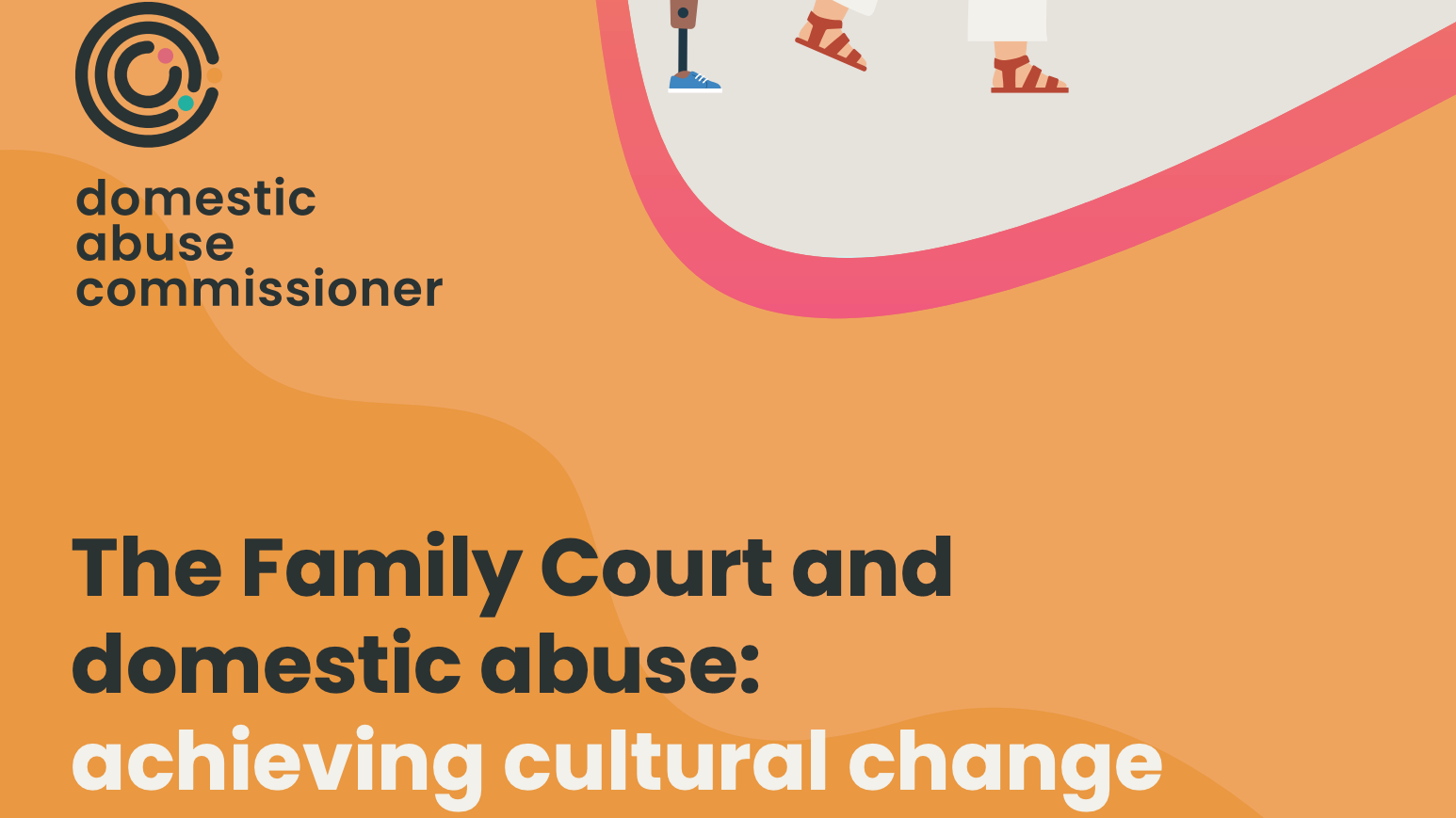
In 2023, the Domestic Abuse Commissioner for England and Wales published her report The Family Court and Domestic Abuse: Achieving Cultural Change.
The report’s central message was clear: despite acknowledged problems and some legislative progress, the family courts continue to cause harm to domestic abuse victims and their children.
Key issues include a persistent culture of minimisation of domestic abuse, inadequate risk assessment, re-traumatisation of victims through adversarial processes, and insufficient consideration of the child’s voice.
The Commissioner raised particular concerns about the misuse of so-called “parental alienation” or “alienating behaviours” frameworks. Victims and survivors reported that raising domestic abuse often triggered counter-allegations of alienation, which risked shifting focus away from safety and leading to unsafe contact or residence outcomes.
The report noted that these allegations were frequently raised by those against whom abuse had been alleged, contributing to a pattern where protective parents (often mothers) felt their safeguarding concerns were dismissed or reframed.
This was not new information. In 2016, Women’s Aid’s Nineteen Child Homicides documented the tragic deaths of 19 children killed by perpetrators of domestic abuse in circumstances linked to unsafe contact arrangements granted by the family courts, despite known safeguarding risks.
In 2020, the Ministry of Justice’s Expert Panel (Harm Report) named systemic failings: minimisation of abuse allegations, a strong pro-contact culture, inconsistent risk assessment, and fears that raising abuse could lead to counter-claims of alienation that undermined protective parents and muted children’s voices.
Three major institutional reports over seven years — from Women’s Aid, the Ministry of Justice, and the Domestic Abuse Commissioner — reached broadly consistent conclusions about ongoing harm in private law children proceedings.
The title Achieving Cultural Change implies a process still in progress. Seven years after the first of these reports, and despite the Domestic Abuse Act 2021 and other reforms, the Commissioner found that meaningful cultural change had not yet been achieved. Unsafe practices persisted, children’s voices continued to be inadequately heard or selectively interpreted, and protective parents raising legitimate concerns risked being labelled as the problem.
For families like Kate and Gabriel, these findings matter deeply. In 2019, a family court judge determined that Kate was an “emotionally unfit parent” without a formal clinical assessment by a qualified psychologist or psychiatrist.
This judicial pronouncement — rather than regulated expert evidence — ultimately led to Gabriel’s separation from his mother. When protective parenting is reframed as emotional unfitness or alienation without robust safeguards, the system fails both the parent and the child.
The reports are public. The findings are on the record. The question is no longer whether the system has been told. It has been told, by its own institutions and independent bodies. The real question is what it will take for being told to produce genuine accountability and lasting change — so that fit, protective parents like Kate are supported rather than pathologised, and children like Gabriel are kept safe from unnecessary harm.
Sources
- Domestic Abuse Commissioner (2023). The Family Court and Domestic Abuse: Achieving Cultural Change. https://domesticabusecommissioner.uk/reports/the-family-court-and-domestic-abuse/
- Ministry of Justice (2020). Assessing Risk of Harm to Children and Parents in Private Law Children Cases.
- Women’s Aid (2016). Nineteen Child Homicides. https://www.womensaid.org.uk/research-and-publications/nineteen-child-homicides/