We Cut Play. Then We Wondered Why Children Struggled.
Jun 18, 2025
Before a child can find their story, they need time that is unscheduled, unassessed, and entirely their own.
Between 1995 and 2019, the amount of breaktime afforded to children in UK primary schools was cut by 45 minutes every week. Not all at once. Quietly, gradually, in small increments that each seemed reasonable at the time. A little more teaching time here. A curriculum demand there. The pressure of an inspection framework that treats the school day as a delivery vehicle for measurable academic content, and treats the time children spend simply being children as an inefficiency to be managed.
By the time anyone counted, eight out of ten children in the UK were spending less than one hour per day in free play or physical activity. Nearly 800 playgrounds had closed in the decade to 2023. England had gone without a national play strategy since 2010. The cuts fell hardest on the children who could least afford them: UCL research found that schools with higher proportions of disadvantaged pupils had the shortest breaks. While state school children lost playtime year on year, the decline in private schools was negligible.
We did not remove play because the evidence suggested it was unimportant. We removed it because it was not measurable in the ways that accountability frameworks require, and because the pressure to demonstrate academic progress had become so consuming that anything which could not be assessed was treated as surplus. But play is not surplus. It is the mechanism through which children develop the very capacities that academic frameworks claim to value.
Social development happens in the playground, not the classroom. The ability to tolerate uncertainty, to negotiate conflict, to recover from failure, to try again: these emerge from unstructured time in which children make choices, face consequences, and work things out without adult direction.
The British Psychological Society's assessment is unambiguous. Play deprivation has serious implications for children's development. It is not a recreational loss. It is a developmental one. And the timing could not be worse. We cut play from children's days at precisely the moment when every other source of unstructured, freely chosen experience was also disappearing.
Outdoor play that decreased by 71% in one generation. Independence reduced by traffic and safety concerns. Boredom engineered away by screens. We removed the last remaining institutional guarantee that children would have time to simply be, and then expressed bewilderment at the deterioration in their wellbeing.
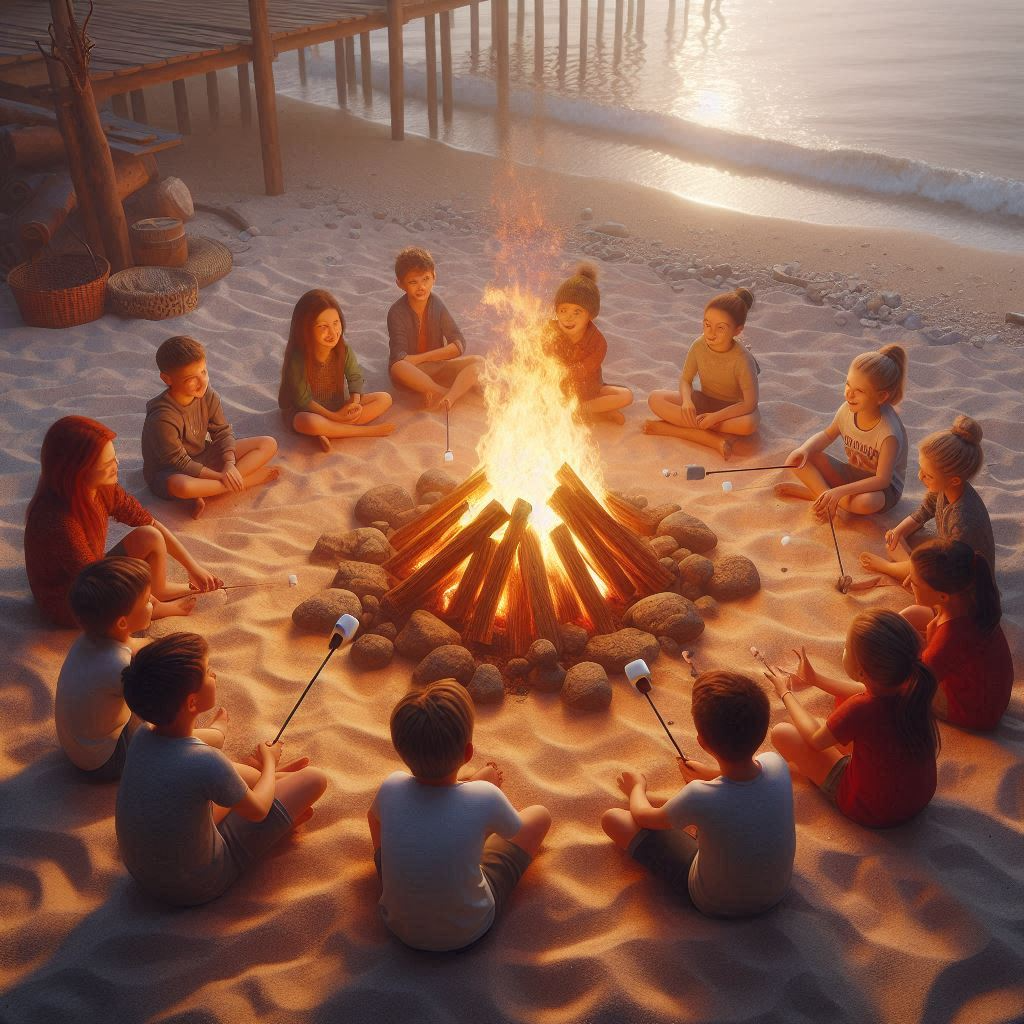
The fire has been burning for thirty years. We have been measuring the smoke.