The Nib of a Pen
Feb 26, 2025
Every child has a story that begins long before the professional arrives, and continues long after the professional has moved on.
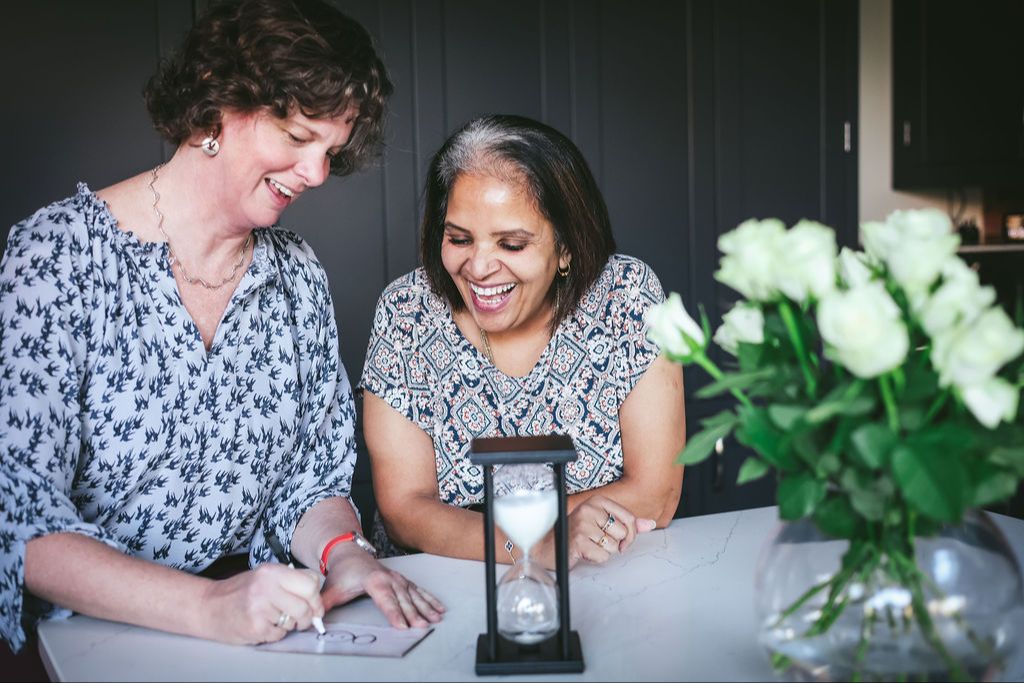
A professional picks up a pen. They write something down. They hand it to another professional, who hands it to another. And somewhere in that chain, a child is removed from a parent.
The professional goes home that evening. They eat dinner. They probably do not think about it again, but the family does!
The axe forgets. The tree remembers. That is not a metaphor. It is a description of what actually happens to people. The professional's written judgement becomes a reference point in a file. It shapes what comes next, and what comes next, and what comes after that. The child carries it forward into the adult they become. The parent carries it. The relationship between them, whatever form it takes, is shaped by it. None of this resolves when the case closes. It lives in people. For years. Sometimes for the rest of their lives.
This is what I mean when I say that bedside manner matters. Not as a courtesy. Not as a professional nicety. As a moral responsibility. When you hold that level of influence over a family, the quality of your attention, the willingness to be genuinely curious rather than confirmatory, the capacity to be changed by what you find rather than simply documenting what you expected, these are not optional extras. They are the difference between a professional exercising power responsibly and one who is not.
Touch and feel matter. The ability to read a room, to sense what is not being said, to notice that the mother sitting opposite you is not a risk to be assessed but a human being who loves her child completely and is frightened. These are not skills that appear in a professional competency framework. But they are the skills that determine whether what you write down that afternoon is true, or only what was visible from the distance you chose to maintain.