The Measurement Problem Nobody Is Talking About
Jan 21, 2026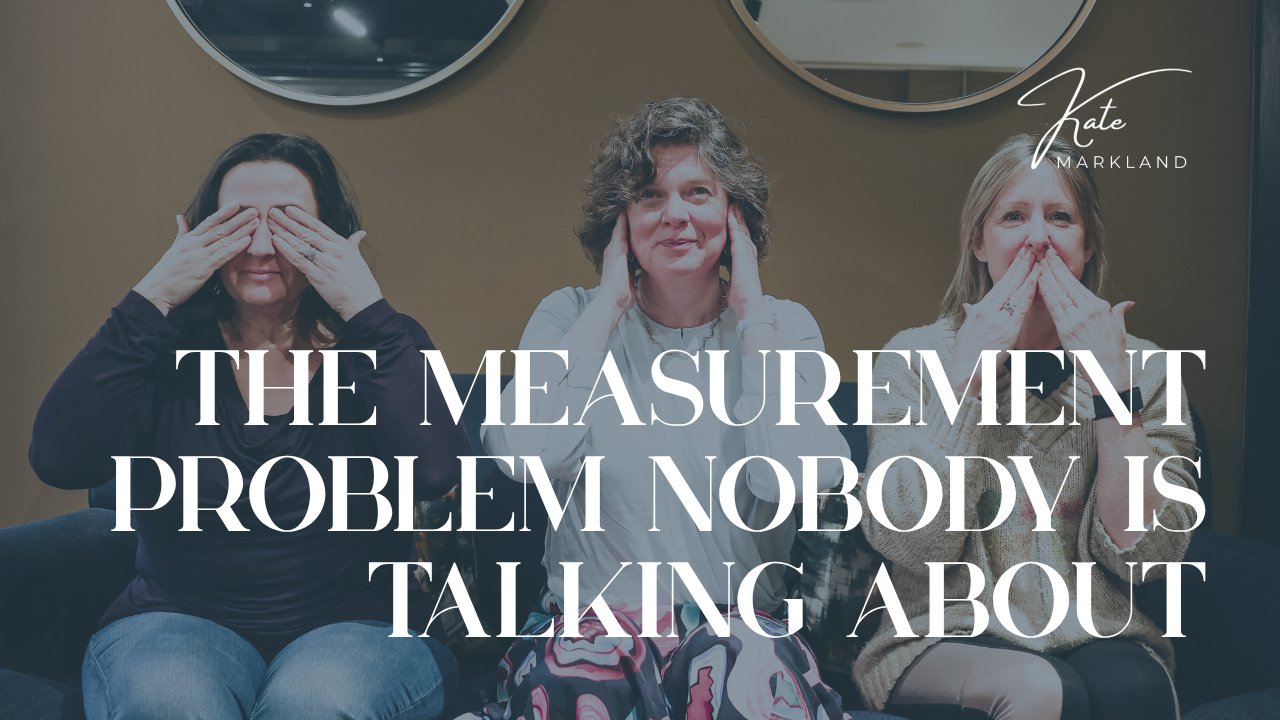
We have a measurement problem in children's mental health, and it goes deeper than most people realise.
The basic assumption underlying most school wellbeing surveys and pupil health questionnaires is that we have reliable ways to measure inner states. We do not, not really. A child filling in a survey about how they feel this week is giving you data shaped by what happened at breakfast, what their best friend said at lunch, whether they slept, and what they understand the survey to be for. The numbers feel solid. The picture they represent is not.
Researchers call this the black box paradox. We are measuring outputs and inferring internal states from them. What shows up as hyperactivity might be anxiety. What shows up as anger might be grief. What shows up as disengagement might be the entirely rational response of a child in an environment that does not see them. We are measuring the box. We are not seeing inside it.
Here is what we know with more confidence. When we ask children directly, not through tick-box surveys but through open questions about their own experience, something different emerges. When 318 children were asked "what was it like to be the author of your own story?", using Classic Grounded Theory methodology, seven consistent themes appeared: joy, creative freedom, immersion, overcoming challenges, pride, dreams of authorship, and social connection. These are wellbeing indicators, not just literacy outcomes, and they emerged not from clinical intervention but from a question and a genuine willingness to listen to the answer.
All children want to be seen, heard, and understood. That is not a new insight, but it is one we keep failing to act on. When a child's voice is captured exactly as it came, when there is no red pen, no correction, no template, when the story belongs to them completely, something shifts in their relationship with themselves. Not a measured shift on a clinical scale. A real one. Visible to teachers. Audible in the children's own words.
The measurement problem will not be solved by better surveys. It will be solved by creating more conditions where children experience their own agency directly, and then paying attention to what they say about it. That is what the data from 465 children across nine schools is showing. Not symptoms managed. Capacities discovered.